How do you build a life you never feel the need to escape from? In the Marche region of central Italy, Casa Janna is Francesca Ciaudano and Giorgio Vallesi’s answer to a question they had been asking themselves for years. It is a place where they explore, day after day, a more intentional way of living and a different way of being together. Francesca, who built an international career in marketing and strategic communications, decided in 2021 to return to her native region with Giorgio, an expert in beverages, fermentation and aperitivo culture. Together, they founded a premium non-alcoholic drinks company, followed by House of Negroni and Marche Classics™, a project that reinterprets great cocktails through spirits produced in the Marche. Today, Francesca is also a sake sommelier, and in recent years she has added another passion to hospitality: regenerative agriculture, tending to the land and landscape around the house. They returned to Italy for good with the clear intention of bringing their individual paths together in a shared project.
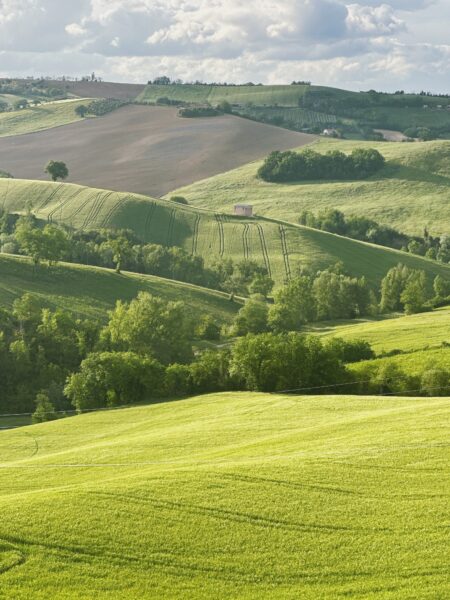
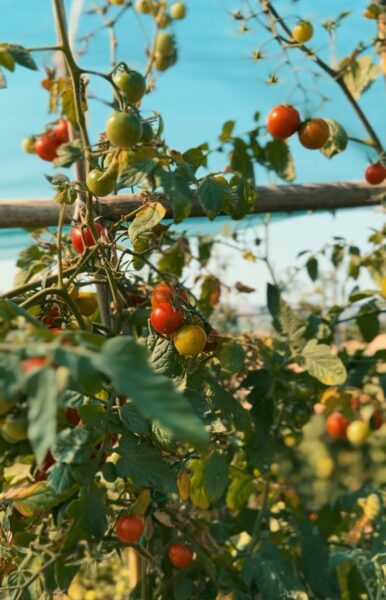
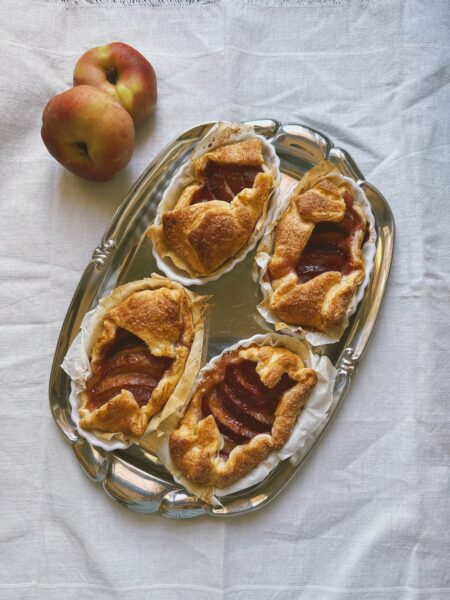
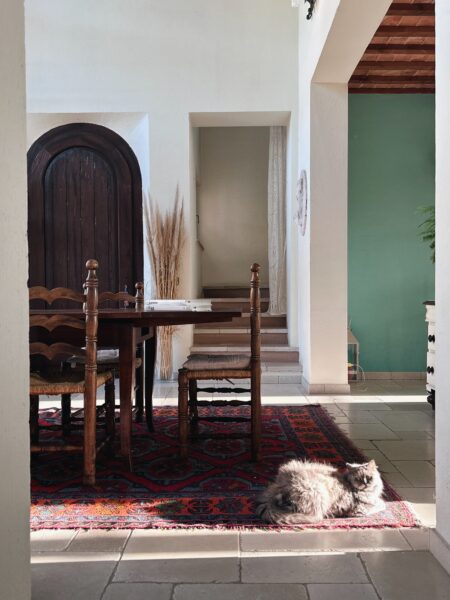
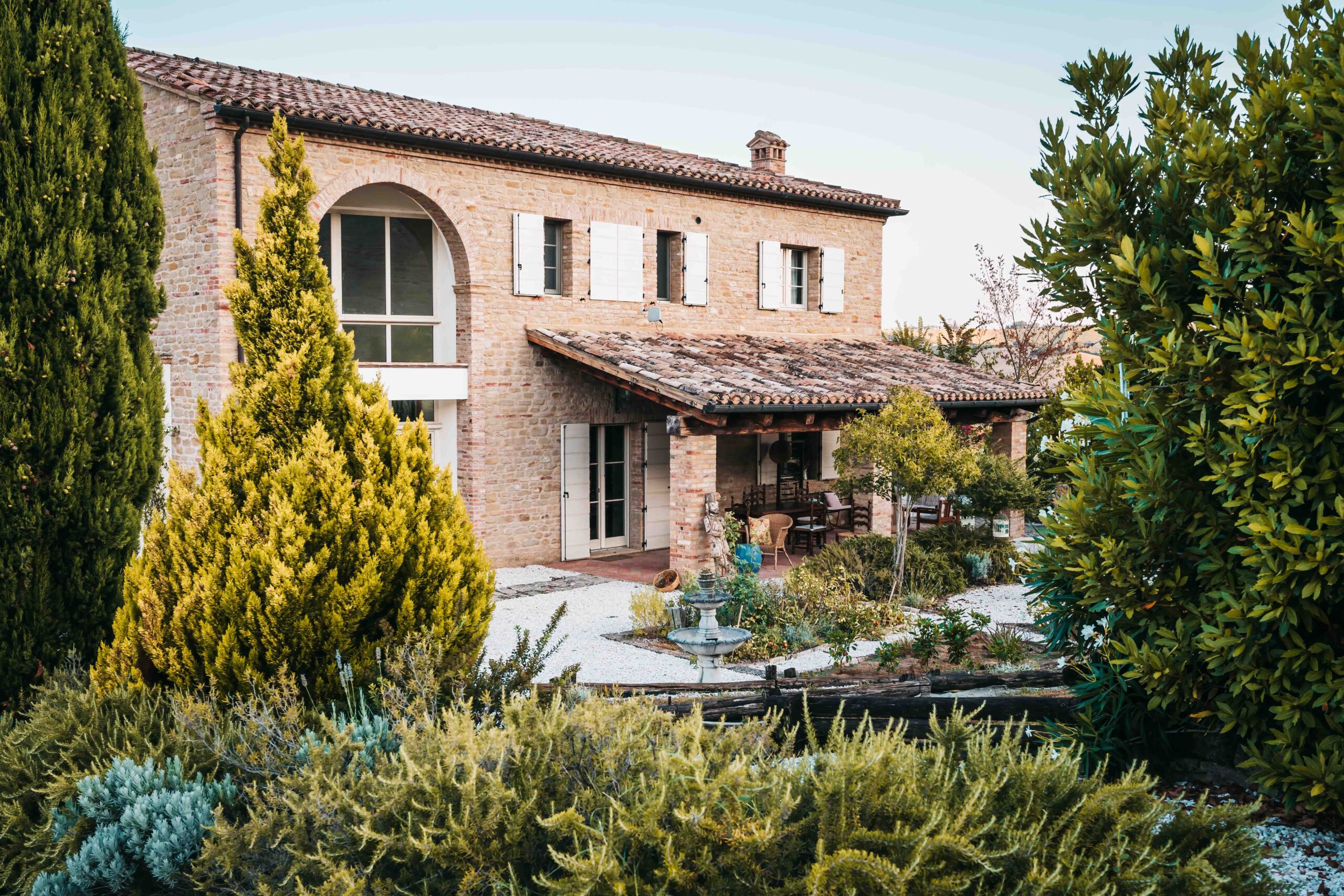
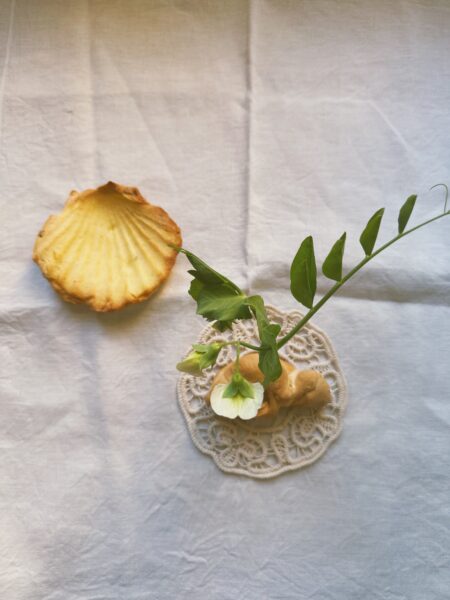
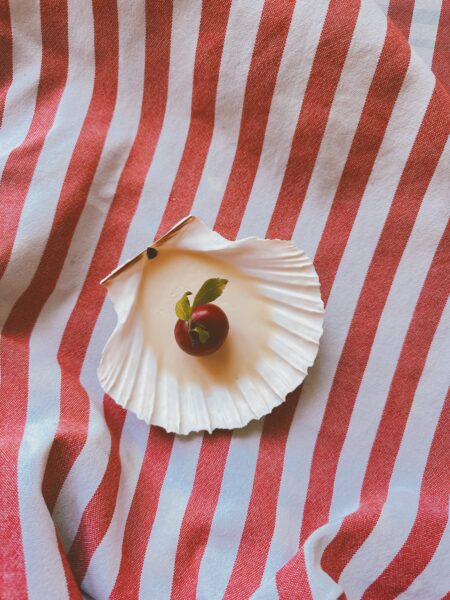
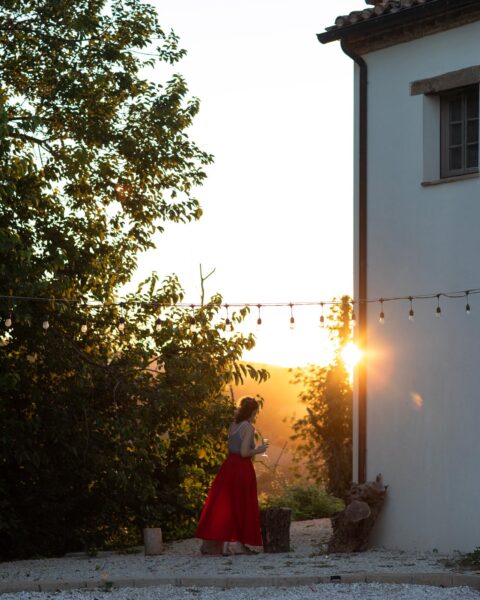
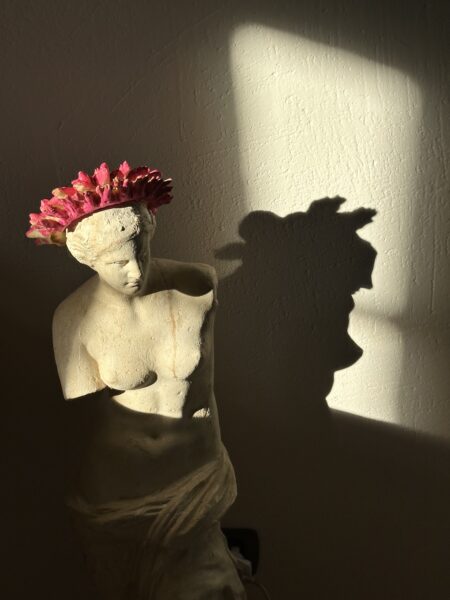
Hidden among the hills of the Val di Fiastra, the house smells of freshly baked bread, laundry drying in the sun and tomatoes just picked from the garden. In front of it, there are only hills, small woods and farms. In the local dialect, janna means acorn: a tiny seed that already contains the entire potential of an oak tree. For the founders, it is the perfect image of human potential when it encounters the right conditions in which to grow. When they found the property, it had been abandoned for seven years. They spent their first winter there without heating, restoring the rooms and salvaging everything that could be saved. What drove them was the belief that our surroundings profoundly influence the way we inhabit the world. Natural light, materials, colours, proportions and the greenery visible through the windows all follow the principles of neuroaesthetics, the discipline that explores the relationship between space, emotions and wellbeing. The kitchen follows the same philosophy. “It’s not nostalgia for the past, but a different way of inhabiting the present,” Francesca tells me as she takes a shokupan from the oven, the soft Japanese milk bread made with organic flour from the Marche. She serves it with whipped ricotta and sour cherries. Breakfast also includes a bowl of handmade granola and seasonal fruit, labneh, the Middle Eastern soft cheese, served with freshly picked confit tomatoes, “wild” sourdough bread made with ancient grains, and eggs baked inside tomatoes, again from the garden. Casa Janna lies halfway between the Adriatic and the Apennines. Just a few minutes away is Fiastra Abbey, set within a nature reserve where the landscape still bears the imprint left centuries ago by Cistercian monks. A little further on, Urbisaglia is home to a Roman theatre, an amphitheatre and the remains of the ancient city of Urbs Salvia. Then there are the hill towns of San Ginesio, Ripe San Ginesio and Loro Piceno, as well as the opera season at Macerata’s Sferisterio. Heading inland, you can reach the Piani di Ragnolo, Lake Fiastra and the Lame Rosse, while the Sibillini Mountains begin just beyond. For a swim in the sea and a plate of spaghetti alle vongole, half an hour is enough; allow a little longer if you want to reach the Conero Regional Park. For Francesca, an artist and holistic sound practitioner, Casa Janna is also a way of exploring art as an everyday form of wellbeing. For guests, she organises sound-healing sessions, Tibetan singing bowls, guided meditations and Art as Medicine experiences combining intuitive painting, sound, writing and silence. These can be arranged individually or for small groups and retreats.
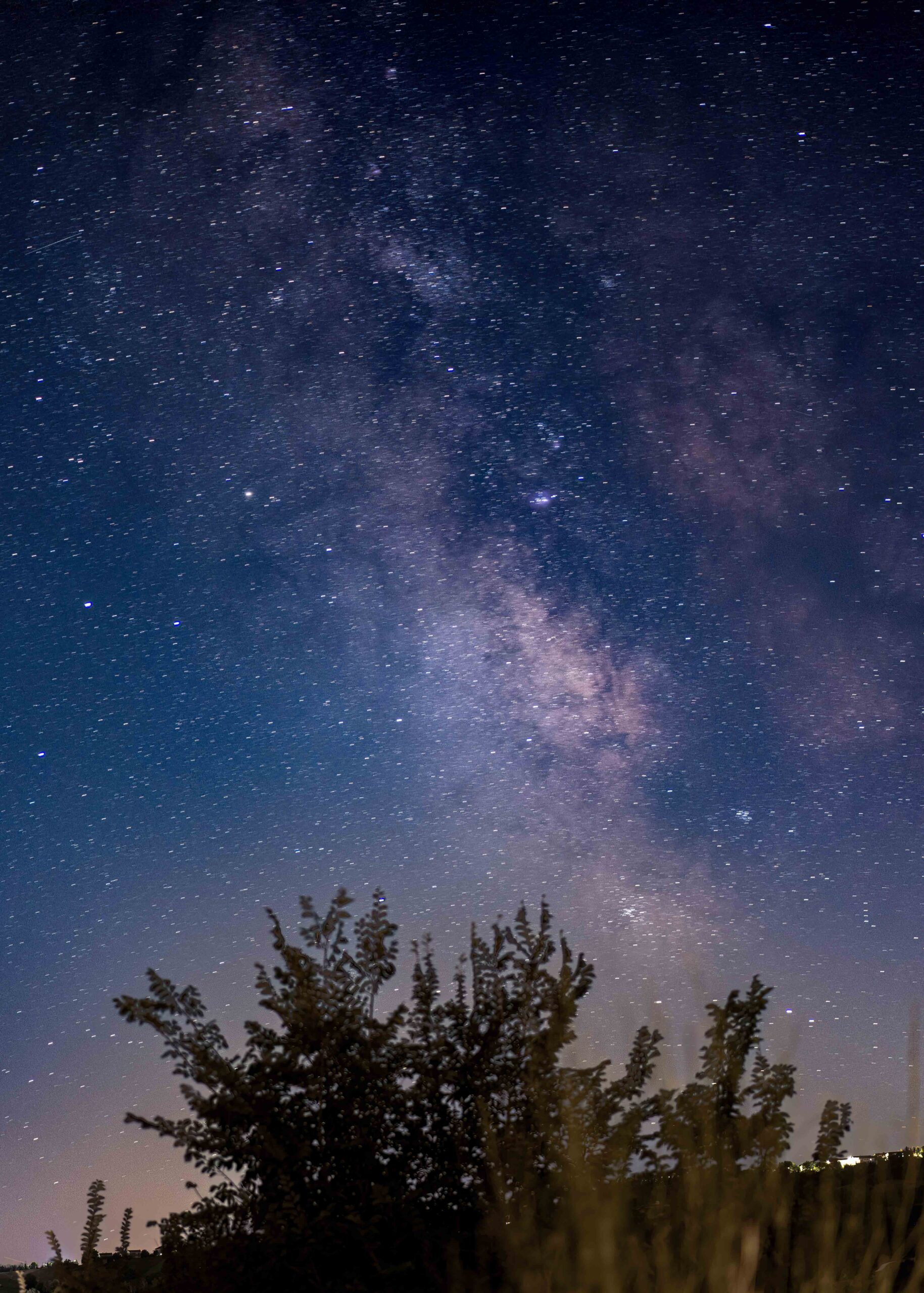
The garden has been left as wild as possible. No pesticides, no pursuit of artificial perfection. Among the wild grasses lives a hare they have named Lino, while between May and June, fireflies return to illuminate the fields. The older residents of the village say that the property once belonged to an ancient rural complex connected to a convent that welcomed pilgrims and travellers. In that sense, Casa Janna has invented nothing. It has simply brought its original vocation back into the light.
Words by Meraviglia Paper, pictures courtesy of Casa Janna.