If we were to rank the most memorable hotel breakfasts in the world, Reschio’s would undoubtedly be among the very best. The ritual begins with herbal infusions brewed from plants freshly picked that morning—verbena, wild fennel, yarrow, mugwort. Then comes the buffet, arranged as a lavishly dressed table whose generosity is matched only by its understated elegance. Nothing feels predictable: a bowl of homemade kimchi, a pot of thyme-scented mushrooms, a vintage slicer dedicated entirely to dark chocolate. Scrambled eggs arrive in a small copper pan, alongside shakshuka, the North African classic, while a potted rosemary plant sits on every table with a pair of scissors, inviting guests to snip a sprig to perfume a dish or a drink. After breakfast, we set off for the first activity on our itinerary, part of what Reschio calls its “Household Habits” programme. In a charming room within the estate’s stables, we learn the art of rattan weaving from a local craftswoman. Every so often, the gentle neigh of a horse or the rhythmic clatter of hooves punctuates her lesson. The following day, we immerse ourselves in ceramics, though the programme also includes calligraphy, lace-making, the Florentine tradition of paper marbling, archery, and even swing dancing.
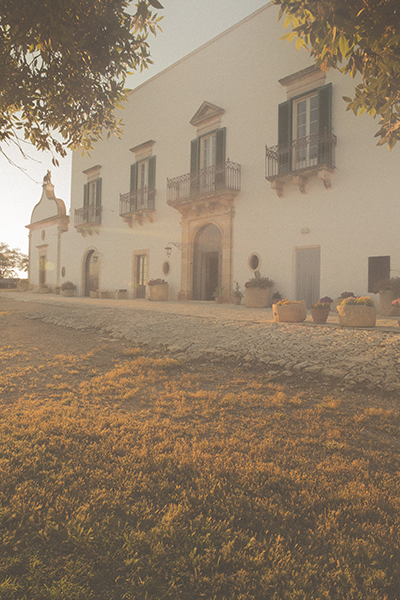
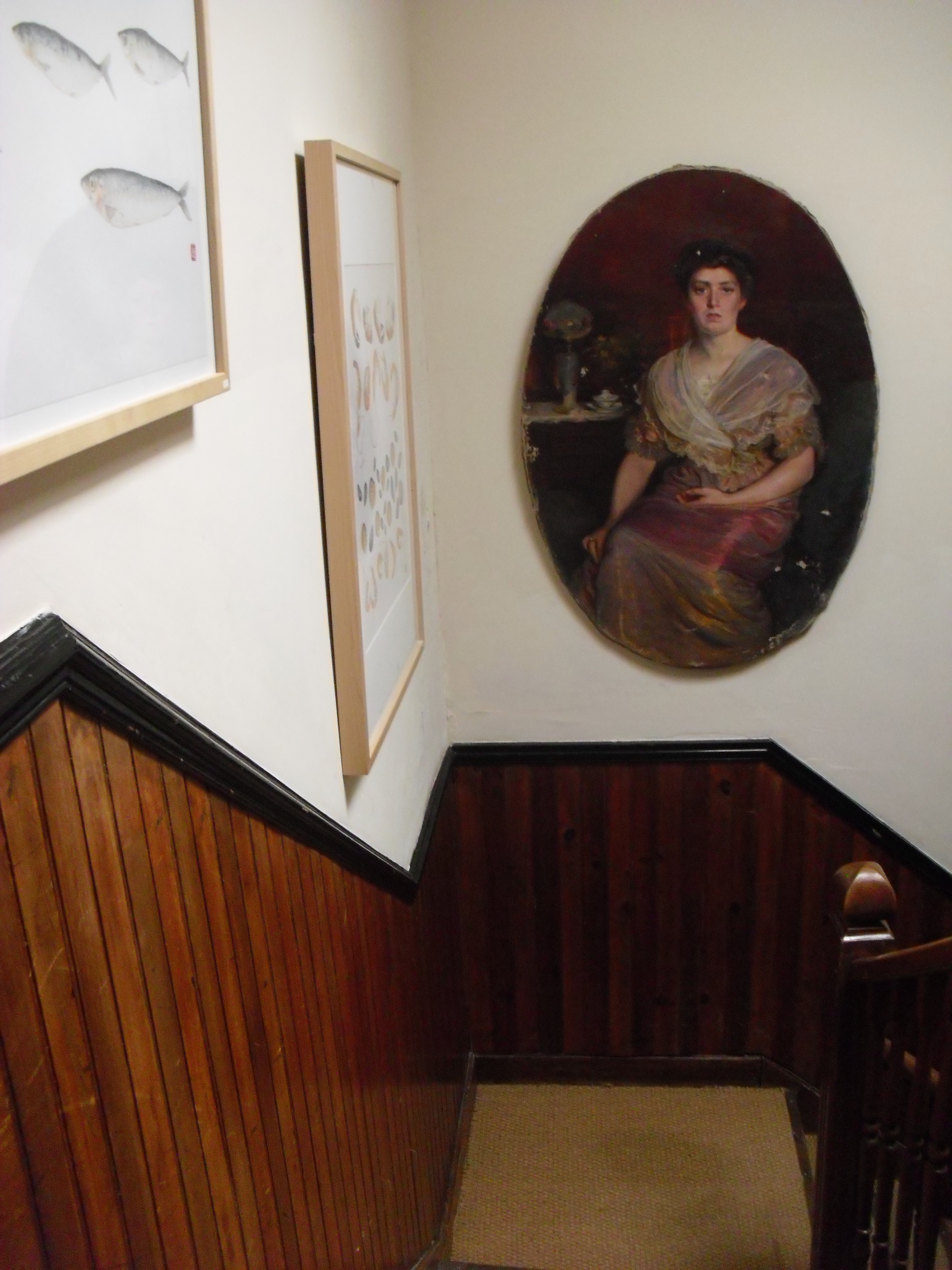
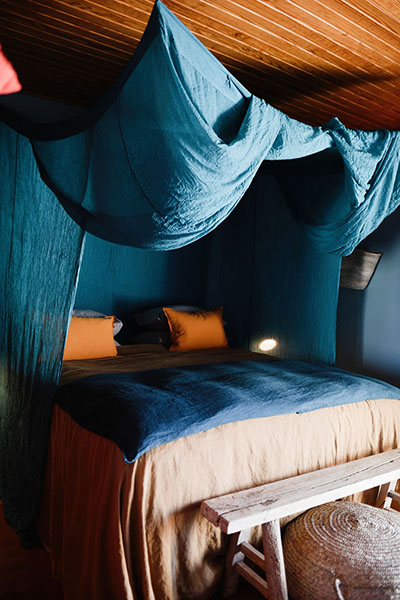
Reschio is unlike the many luxury resorts scattered across the Italian countryside. It is less a hotel than a way of life—a self-contained world where even the least sentimental guest feels compelled to reach for a notebook, afraid of forgetting something: the call of a bird, the wildflower adorning the breakfast table, the taste of a slow-cooked ragù that evokes childhood Sundays, or the ever-changing beauty of the hills framed by every window. Look west, and you are already gazing towards Tuscany. Reschio sits on the border between Umbria and Tuscany, drawing from the soul of both landscapes. It was this extraordinary beauty that captivated Count Antonio Bolza, convincing him to purchase the 1,500-hectare estate in 1994. He entrusted its future to his son, architect Benedikt Bolza, and Benedikt’s wife, Donna Nencia Corsini, who have spent the past decades restoring the estate’s farmhouses and breathing new life into its historic buildings. Some have become private homes, others are available to rent, while the estate’s tenth-century castle now houses Reschio’s hotel—the very place where the couple raised their children. There are just thirty-five rooms, each entirely unique yet united by the same quiet grace. Crisp cotton sheets embroidered with the estate’s signature red monogram, a small cake waiting beneath a glass cloche, house-made gin with everything needed to mix the perfect aperitivo, ancestral portraits watching over guests with surprisingly benevolent expressions—every detail feels deeply personal rather than decorative.
As evening falls, candles are lit throughout the castle. A pianist takes his place in the verdant glasshouse, filling the space with music while cocktails—each with its own story—are served (our favourite is the Paprika Paloma). Two restaurants, both open to non-residents, translate the surrounding landscape onto the plate, following the rhythms of the vegetable gardens, orchards and fields. Then there is the Bathhouse, hidden within the castle’s ancient cellars. It is one of those places best left partially undescribed, so as not to diminish its magic. Cool stone walls, filtered light, warm water and silence combine to slow both body and mind. You emerge feeling as though you have briefly stepped outside of time. In the boutique, guests can discover Reschio Collections, a beautifully curated line conceived by the Count’s granddaughters—Giorgiana, Nerina and Vita—in collaboration with local artisans. From traditional friulane slippers to handcrafted wooden body brushes, every object embodies the culture of craftsmanship that defines the estate. Perhaps Reschio’s greatest achievement is that it has reimagined luxury hospitality altogether. Nothing here seems designed to impress. Instead, everything feels like an invitation to share a way of living—a generous expression of the family’s daily rituals and of the extraordinary place they have been fortunate enough to call home, and whose most devoted guardians they continue to be.
Words Laura Taccari. Photo Courtesy Reschio and Meraviglia Paper.