On the northwestern coast of Morocco, in the province of Larache, you drive past the village of Khemis Sahel before continuing for five kilometers along an unpaved road through a forest of cork oaks. It is here that siblings Fouad Giacomo and Antonia Filali chose to lay the foundations of a project that pays tribute to their family’s legacy. Among these vast deserted beaches, halfway between Rabat and Tangier, time seems to have stood still sixty years ago. Clouds drift across the golden dunes, seagulls drift back and forth, and the surrounding countryside offers scenes of timeless rural life. The story begins with the siblings’ grandmother, Antonia Fiermonte, a painter and violinist, who moved from Italy to Paris, where she married the sculptor René Letourneur. In the 1950s, the family’s destiny became intertwined with that of Thami Filali, a judge of Islamic law in Morocco, through the marriage of Antonia’s daughter, Anne, to Abdelatif, Thami’s son. From that union, a deep bond between Italy and Morocco grew stronger with each generation—a bond that Anne’s children, Fouad Giacomo and Antonia, proudly continue today.
La Fiermontina is the siblings’ second major project. In 1993, they founded the Fondation Orient-Occident in Rabat to promote integration and intercultural dialogue. La Fiermontina Ocean is the natural continuation of that vision: a powerful example of sustainable tourism in its most tangible and authentic sense. The question that inspired them was simple: How can beauty create a future? Driven by an extraordinary passion, they have helped revive villages that were on the verge of disappearing—not only by providing access to water and roads, but also through education and vocational training, encouraging the creation of local cooperatives, supporting sustainable agriculture, and fostering businesses based on the principles of the social and solidarity economy. This is the lodge’s truest beauty. In the villages of Dchier, Tcharouah, and Mezgalef, many families once lived in isolation, with few opportunities and often no choice but to leave their land in search of work. Today, local residents are employed by the project, becoming the protagonists of their own community’s transformation. Children can look toward a brighter future. Women have gained greater independence. Men have rediscovered the value of traditions handed down through generations. Stone houses have opened their doors once again. To protect the dunes of the Sahel and the fragile coastal ecosystem, Fouad Giacomo and Antonia launched an ambitious reforestation programme, planting olive groves, orchards, and organic vegetable gardens.
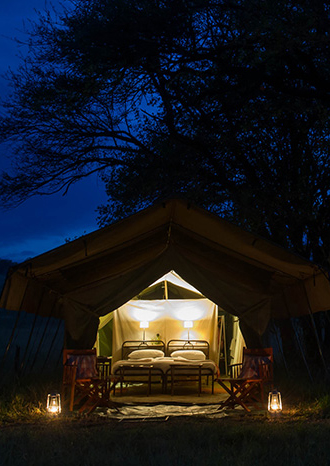
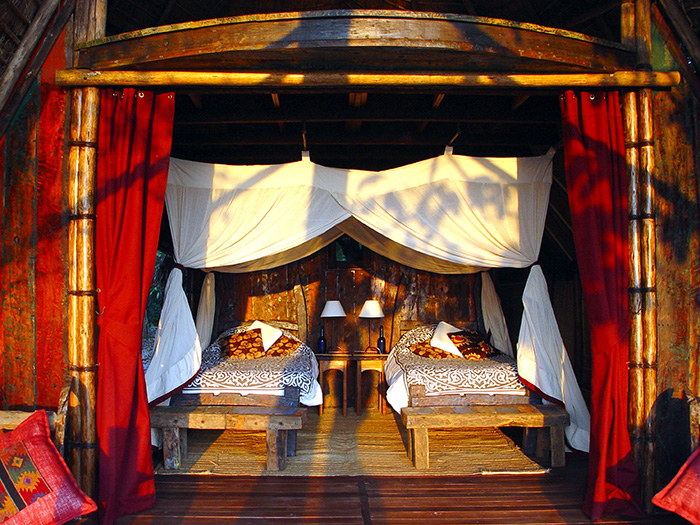
Today, guests arriving here discover charming suites overlooking the Atlantic and elegant villas immersed in nature. They find refined interiors defined by understated elegance, a place rich in inspiration and culture, and the relaxed charm of a beach club set along one of Morocco’s most unspoiled stretches of coastline. They can explore trails winding through forests and olive groves on horseback and watch spectacular sunsets set the dunes ablaze. But above all, they discover a community. Guests can enjoy breakfast in the home of Fatima Zahra, sharing mint tea and homemade pastries. They can learn from the women of the village how to prepare traditional couscous and tagine according to recipes passed down through generations. La Fiermontina reminds us that tourism can become a powerful force for dignity, connection, and shared prosperity—and that a journey can leave behind far more than beautiful memories.