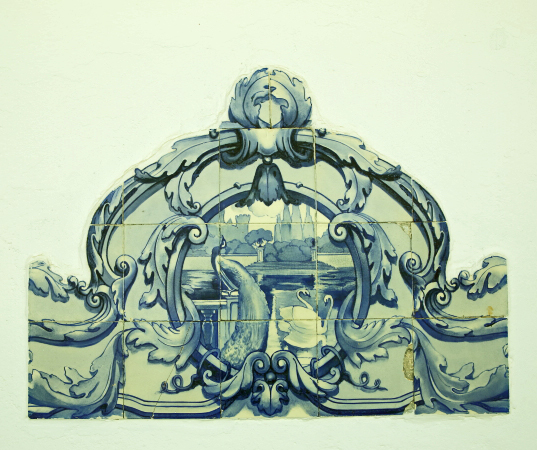
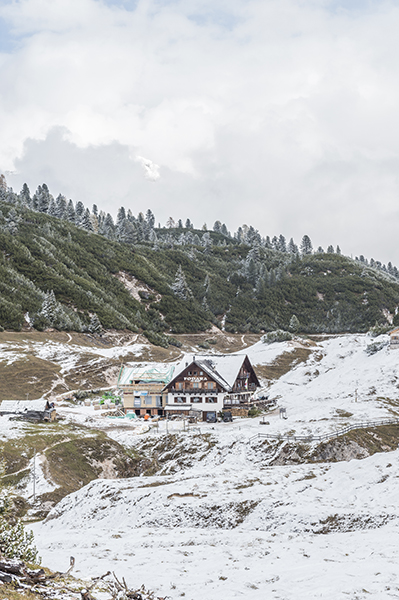
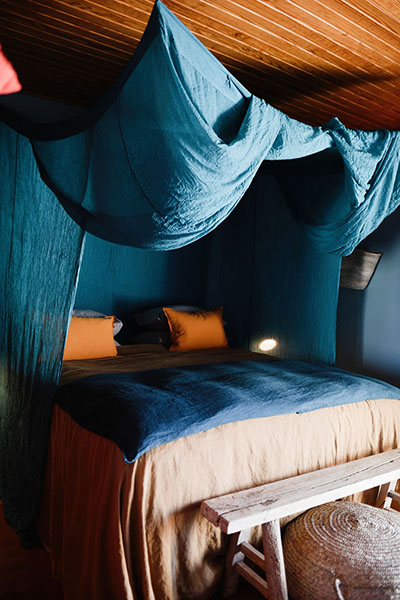
We arrived at the Locanda on a spring morning, leaving behind the road that leads to the sea and climbing up the hills toward the small village of Pereta. No sign, no doorbell to ring. “The wisteria is full of buds, but only three clusters have opened; surely, by the time you arrive, it will be in full bloom,” Johnny had told us. He and Elizabeth greeted us with a glass of wine and a story to listen to. In the early 1900s, the residence belonged to a young gentleman and his two sisters, who also owned the lands around the village of Pereta. They lived in the villa year-round, except during the summer when they would move to their country house a few kilometers away. A few decades later, in the 1960s, during a dinner, Johnny’s father decided to purchase what remained of the noble residence, never imagining that one day it would become the home where he would choose to live with his future family. Many years later, Johnny made the same choice, moving here with his wife Elizabeth, daughters Isabella, Olimpia, and Sibilla the cat, and, ironically, turning the residence into a vacation spot to spend peaceful and bucolic days. Each room is a container of memories, of moments from the past. Painted ceilings, fabric-covered walls, gravel on the floors, and an old piano in the embroidery room. The Art Nouveau windows open to the bucolic garden. The ancient walls protect it from one side, while on the right, a balustrade overlooks the infinite. On the left, one of the village’s churches can be glimpsed. And still, wisteria, calla lilies, hydrangeas, roses, and fruit trees. The grapefruit comes from Africa. It was a seed when it was collected by Johnny’s parents during their honeymoon trip and brought to Italy. He, too, grew up in this Maremma garden, and many years later, it bears juicy fruits that are served to guests at breakfast.
Words and photographs by Francesca Romana Fontana.